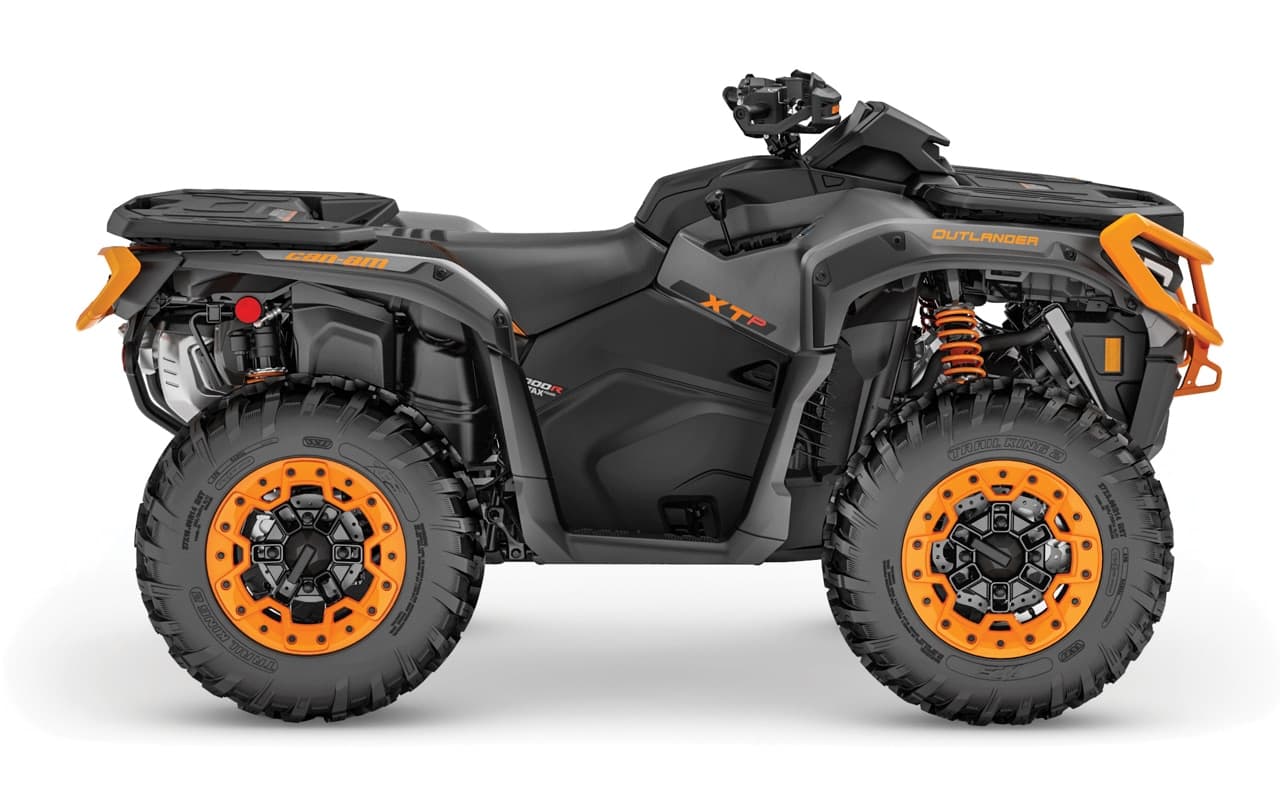
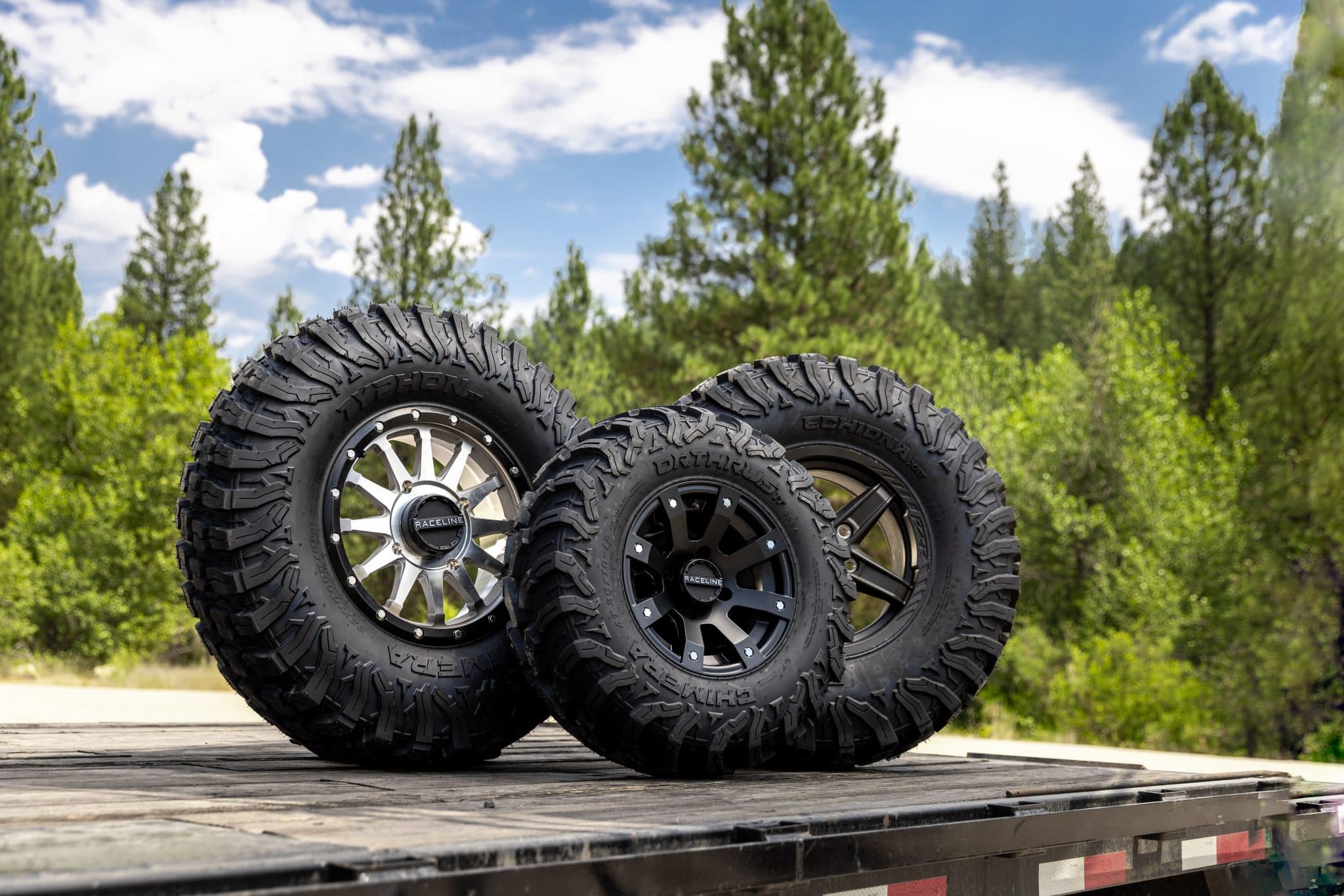
As the riding season winds down, it's time to think about preparing your ATV or UTV for the winter months. Whether you plan to store it away until spring or continue riding through the snow, taking the proper steps to "winterize" your machine will protect it from the elements and ensure it's ready for action when you need it. According to ATV.com, failing to prepare for winter can lead to mechanical problems and premature wear.
Cleaning Your ATV/UTV
Before storing your vehicle, a thorough cleaning is essential. Here’s why:
- Remove Debris: Mud, dirt, and debris trap moisture, leading to rust and corrosion, especially in cold, damp environments.
- Regular Washing: Even if you plan to ride throughout the winter, regular washes help uncover potential issues early.
Cleaning Steps:
- Exterior Wash: Use a pressure washer or hose to remove mud, dust, and grime from the body and undercarriage.
- Engine and Exhaust: Use an engine degreaser to remove oil and grease buildup.
- Drying: Dry the ATV completely, using compressed air to blow out water from hard-to-reach areas to prevent rust.
- Protective Coating: Consider applying wax to protect plastics and prevent dust buildup.
Oil and Filter Change
Changing the oil before storage is a critical step. ATV.com notes that old oil can become acidic and harm the engine over time. Here’s why it matters:
- Contaminant Removal: Old oil contains dirt and metal shavings that can damage the engine.
- Proper Lubrication: Fresh oil ensures the engine remains lubricated during storage.
Tip: Consider using oil recommended by the manufacturer for cold weather or winter-grade oil for better performance in low temperatures. In extremely cold climates, oil additives may help maintain proper viscosity.

Fuel Stabilization or Drainage
Gasoline can degrade, leading to fuel system issues. You have two main options:
- Fuel Stabilizer: Add a fuel stabilizer to the tank and run the engine to circulate it.
- Fuel Drainage: Drain the fuel tank to prevent corrosion or clogging. However, ATV.com notes that some studies suggest an empty fuel system can dry out and cause its own problems.
Battery Maintenance
Batteries are susceptible to cold weather damage. Proper maintenance is crucial to avoid a dead battery in the spring:
- Disconnect: Disconnect the battery to prevent parasitic drainage.
- Warm Storage: Store the battery indoors in a cool, dry place at room temperature.
- Trickle Charger: Use a smart trickle charger to maintain the battery's charge without overcharging.

Tire Protection
Tires can develop flat spots if left sitting for extended periods. Here’s how to prevent it:
- Proper Inflation: Inflate tires to the recommended pressure, accounting for cold weather contraction. Consider slightly over-inflating to compensate for temperature drops.
- Elevation: Lift the vehicle with a jack or ATV stands to relieve pressure on the tires and suspension.
- Periodic Movement: If you can't elevate the vehicle, move it a few inches every couple of weeks to distribute tire pressure. Running it periodically is even better, according to ATV.com, to keep fluids flowing and components lubricated.
Lubrication of Moving Parts
Cold temperatures can stiffen moving parts. Lubricating key components protects against wear:
Final Thoughts
By following these steps, you can ensure your ATV or UTV is well-protected during the winter months, ready for your next adventure when the weather warms up. These best practices were originally published at ATV.com.