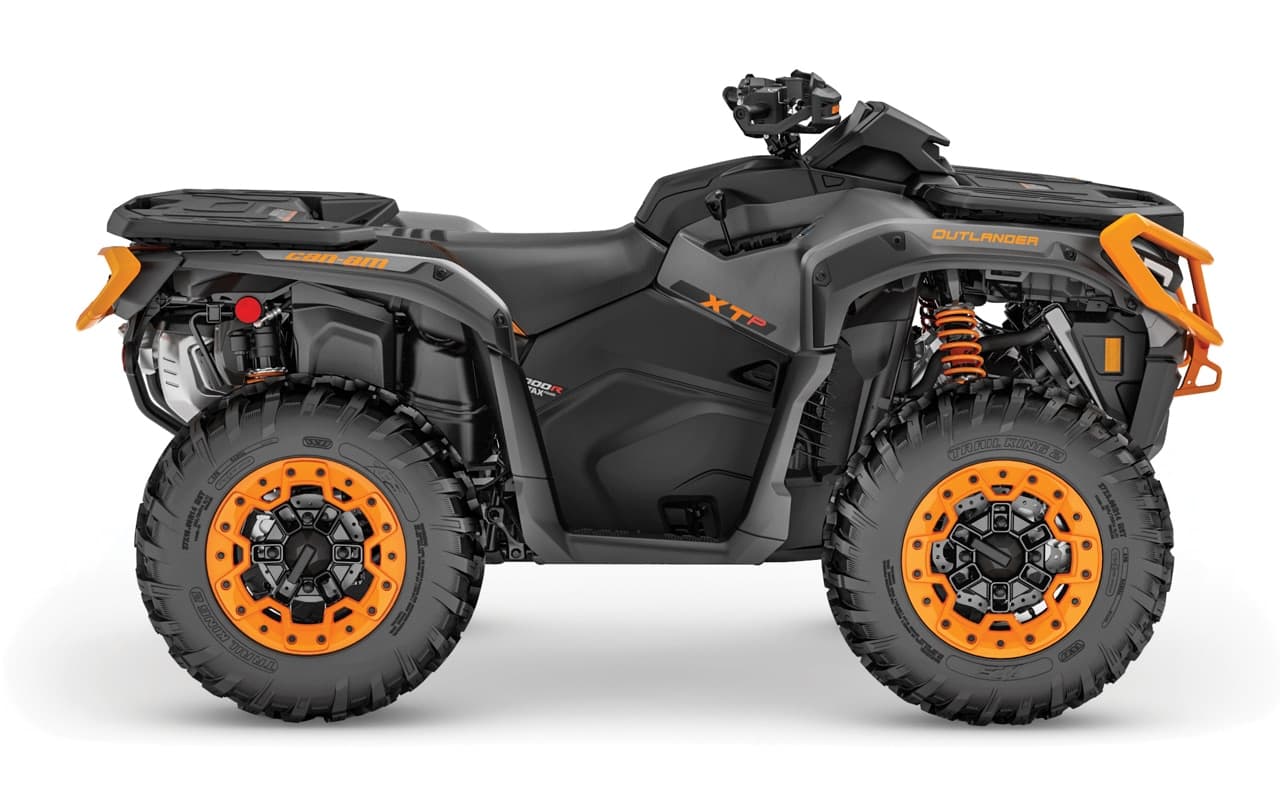
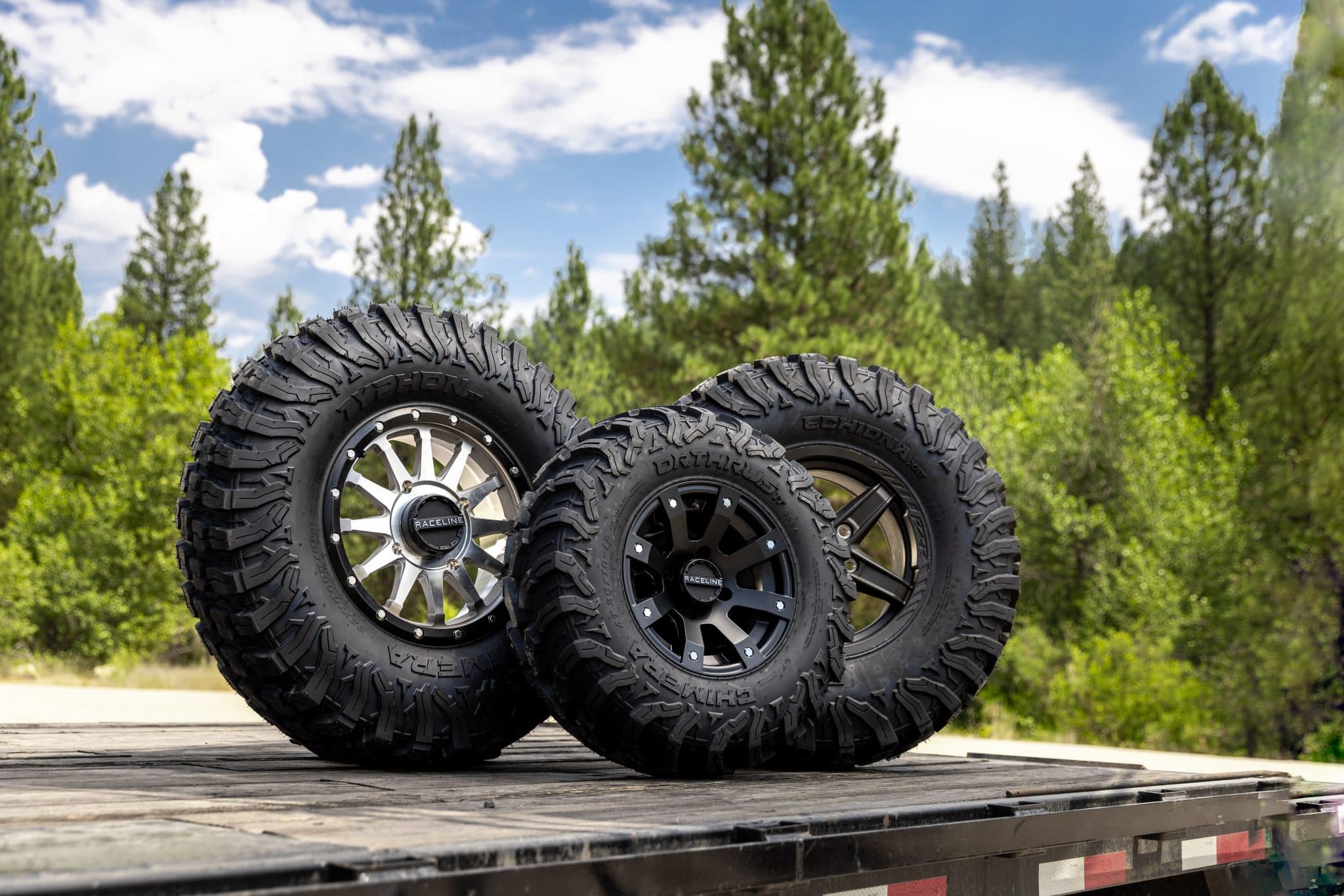
Few things can halt an off-road adventure like a flat tire. Whether you're riding an ATV or driving a UTV, understanding how to address a flat tire on the trail is crucial for a safe and enjoyable experience. Derrek Sigler of ATV.com offers practical advice on dealing with common tire problems, emphasizing preparedness and basic repair skills.
Types of Flat Tires
According to ATV.com, not all flat tires are created equal. Different types of flats require different repair approaches:
- Punctures: These are typically the easiest to fix, often caused by nails, sticks, or other sharp objects piercing the tire. Repair kits with plugs are effective for sealing these punctures.
- Slices: Slices are tears in the tire, often caused by sharp objects encountered at an angle. Repairing slices can be challenging, depending on the size and location of the cut. Small slices in the tread may be repairable with multiple tire plugs, but larger slices, especially in the sidewall, can be more problematic.
- Pinch Flats: Pinch flats occur when the tire is compressed between the rim and a hard object, like a rock. While tube-type tires are susceptible to pinch flats that tear the tube, tubeless ATV/UTV tires can also experience pinch flats that damage the tire's sidewall. Sidewall damage often necessitates a tire replacement.

Trailside Repair Techniques and Tools
Being equipped with the right tools and knowledge is essential for addressing flat tires on the trail. Here's a breakdown of recommended tools and techniques, based on the advice from ATV.com:
- Tire Repair Kit: A comprehensive kit should include tire plugs, a reamer tool to prepare the puncture, and an insertion tool to install the plugs.
- Compact Air Compressor: A 12-volt compressor is necessary to reinflate the tire after repair.
- T-Rex Tape (or Similar): Heavy-duty repair tape can provide a temporary fix for slices or sidewall damage, potentially getting you back to your base.
- Basic Hand Tools: Wrenches for lug nuts, screwdrivers for tire bead manipulation, and a ratchet strap for compressing the tire can be invaluable.
- Jack: A small jack is needed to lift the machine for tire removal and repair. A winch can also be used in conjunction with a buddy's machine.
- Fix-A-Flat: Tire sealant can be a quick and easy solution for minor punctures, but it's best used as a temporary fix to get you home or to a repair shop. Be sure to inform the repair shop that you've used sealant.
A Note on Extreme Repairs
Sigler recounts a story of an off-roader using T-Rex tape and tire plugs to repair a significant slice in their tire. While not a recommended practice, it highlights the resourcefulness that can be required in emergency situations. However, it's crucial to understand the limitations of such repairs and prioritize safety.
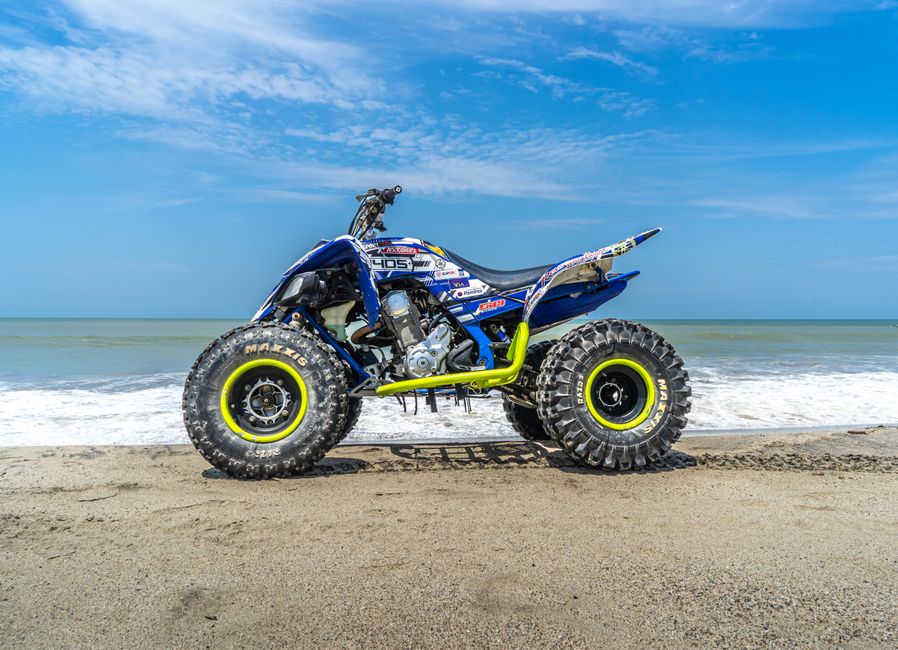
Prevention is Key
While knowing how to fix a flat is important, preventing them in the first place is even better. ATV.com suggests being mindful of the terrain and avoiding sharp rocks and other hazards. By carefully choosing your path, you can significantly reduce your chances of experiencing a flat tire.
Conclusion
Flat tires are a common occurrence in the world of ATV and UTV riding. By understanding the different types of flats, carrying the necessary tools, and practicing basic repair techniques, you can confidently tackle tire problems on the trail and keep your adventures rolling. Remember to always prioritize safety and consider the limitations of temporary repairs.