Defining Your Needs Before You Shop
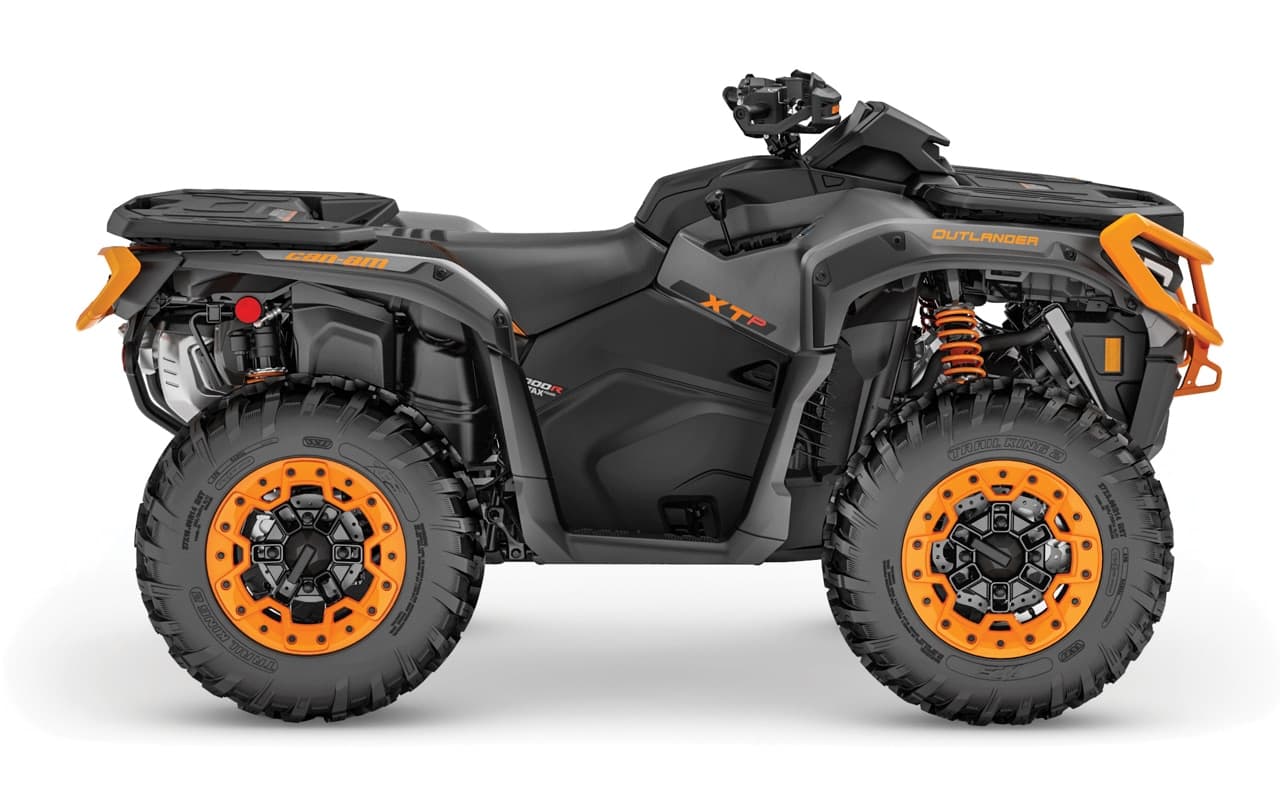
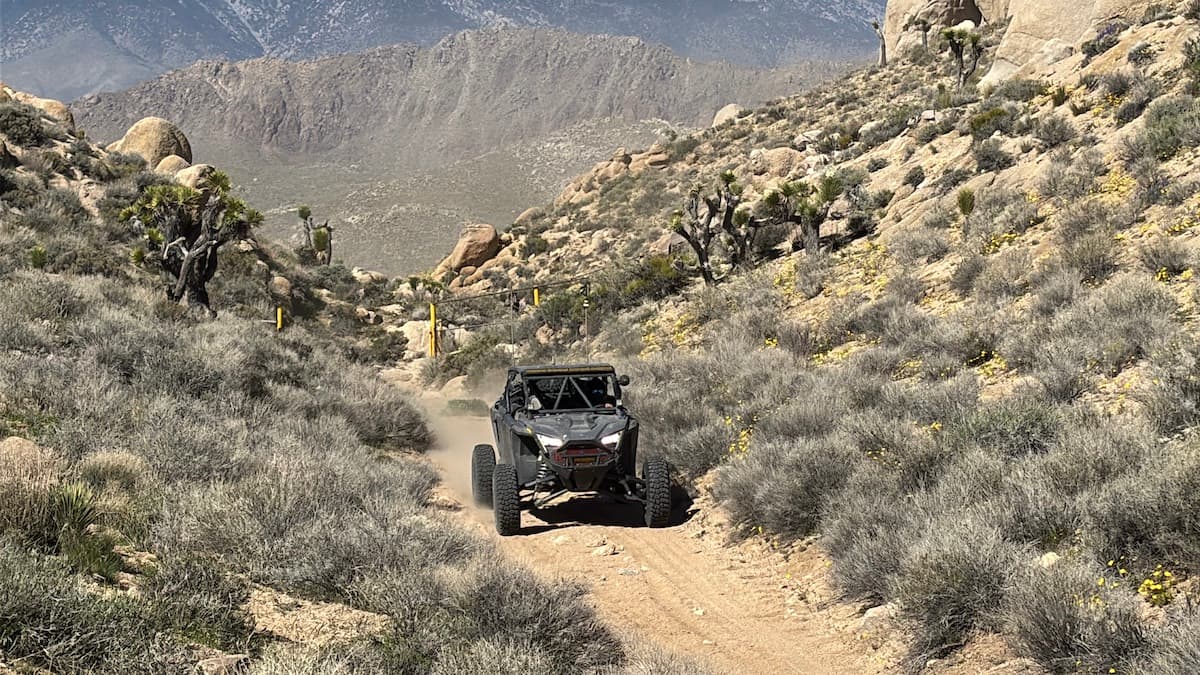
According to UTV Action Magazine, the primary mistake buyers make is letting excitement override logic. Before browsing marketplaces or auction sites, you must define the machine's primary purpose. A vehicle intended for heavy farm utility requires different specifications than a dedicated trail machine or a hunting rig. Defining your needs early helps you avoid buying a machine that is either underpowered or improperly geared for your specific terrain.
The Importance of Paperwork
Never bypass the administrative side of the transaction. Verify the VIN on the frame matches the title exactly. Look for signs of tampering, such as uneven characters or suspicious welds around the VIN plate. As noted by UTV Action, state regulations for off-highway vehicles vary drastically. Consult your local DMV regarding title transfers and registration requirements before finalizing any deal to avoid long-term legal headaches.
Conducting a Thorough Mechanical Inspection
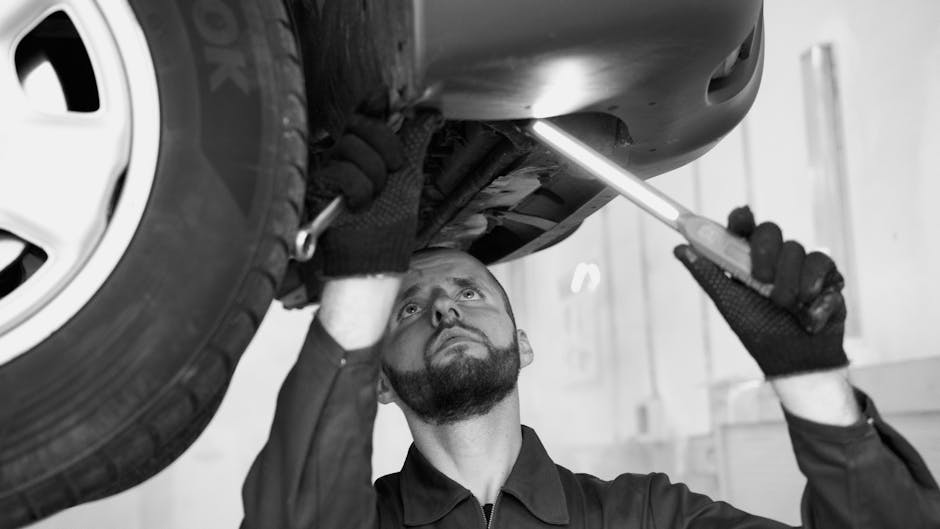
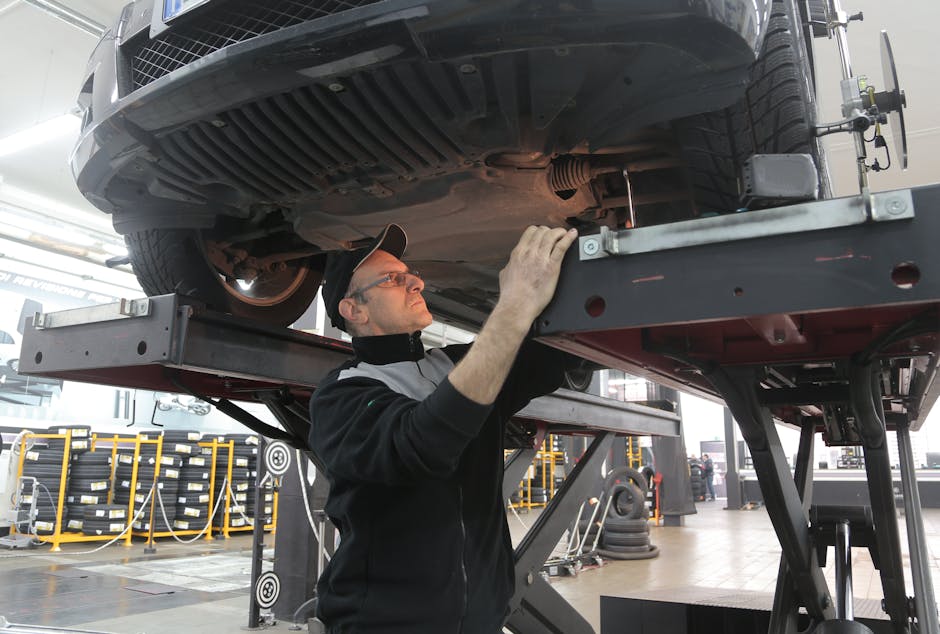
A used machine should be inspected for honest wear rather than cosmetic perfection. A freshly painted frame or clean plastics may hide structural damage. When inspecting a unit, focus on:
- Frame and Suspension: Check for bent components, cracked mounting tabs, and uneven tire wear, which often indicates alignment issues or severe abuse.
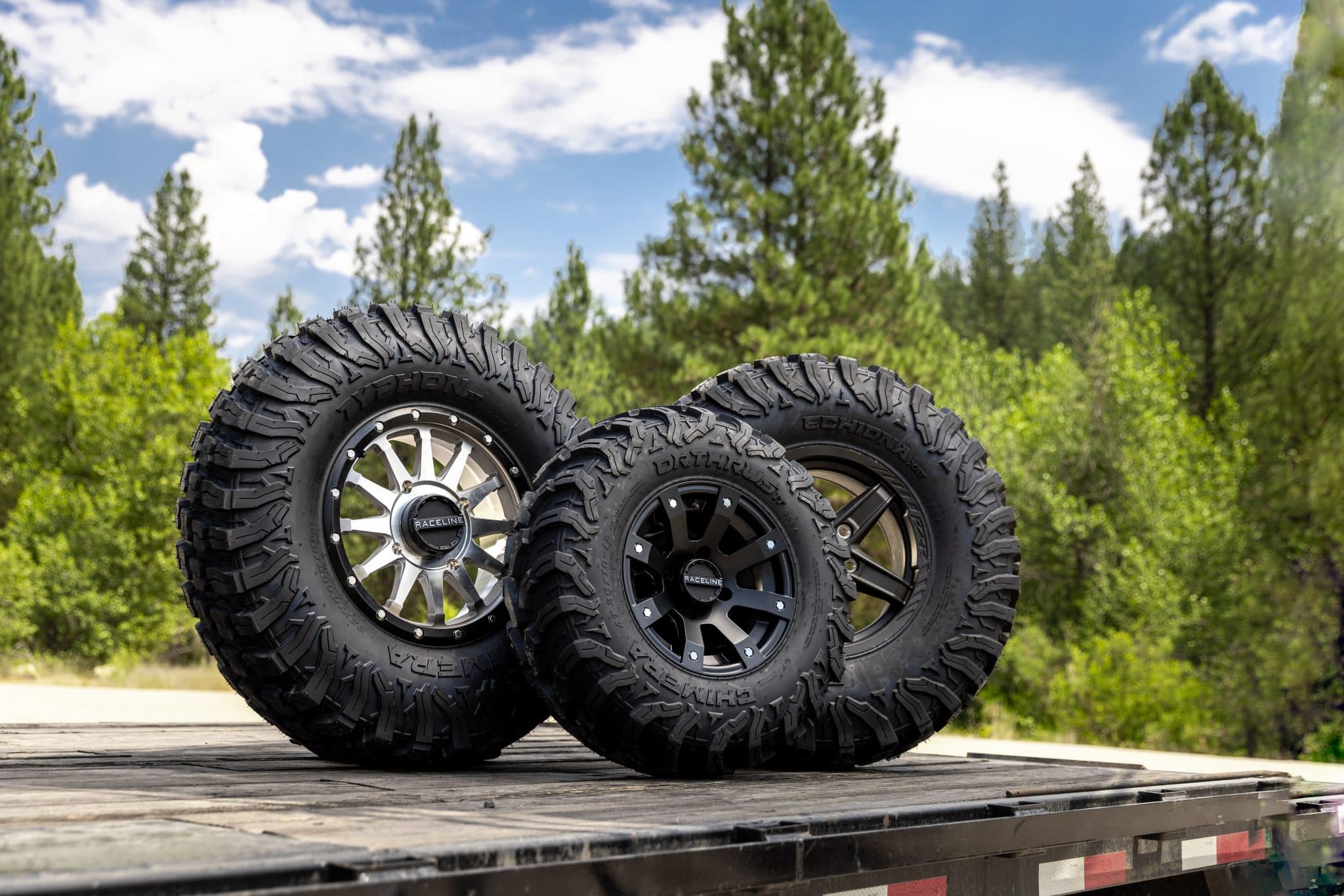
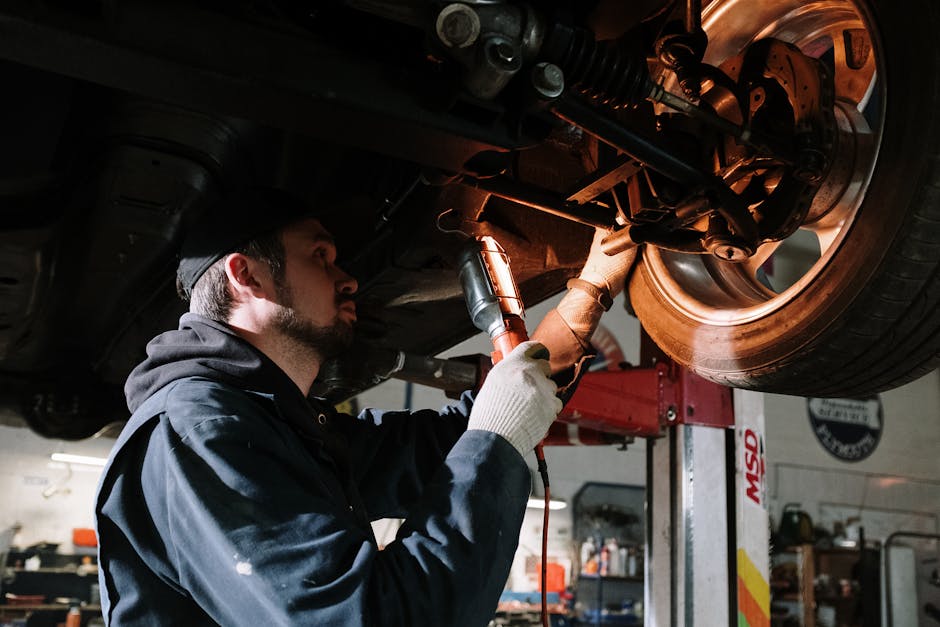
- Drivetrain: Inspect CV boots, wheel bearings, and steering components for play. If the machine is belt-driven, inquire about the CVT belt history.
- Engine Health: Check fluid levels and condition. A dirty air box is a major red flag that indicates the owner may have neglected regular maintenance tasks.
Evaluating the Seller and the Test Ride
The seller's demeanor is a key indicator of the machine's condition. Ask specific questions about maintenance intervals, storage habits, and replacement parts. A seller who provides detailed, confident answers is generally more reliable than one who claims the machine has 'always run great' without providing service records. Always insist on a cold start to identify smoke, rattles, or idle issues, and take the machine for a test ride to check for smooth shifting and responsive braking.
Budgeting for Post-Purchase Maintenance
Do not spend your entire budget on the purchase price. Nearly all used off-road vehicles require some form of immediate maintenance, such as fresh fluids, new filters, or minor repairs. Setting aside a contingency fund ensures you can address these items immediately, allowing you to ride with confidence rather than constantly troubleshooting neglected maintenance.