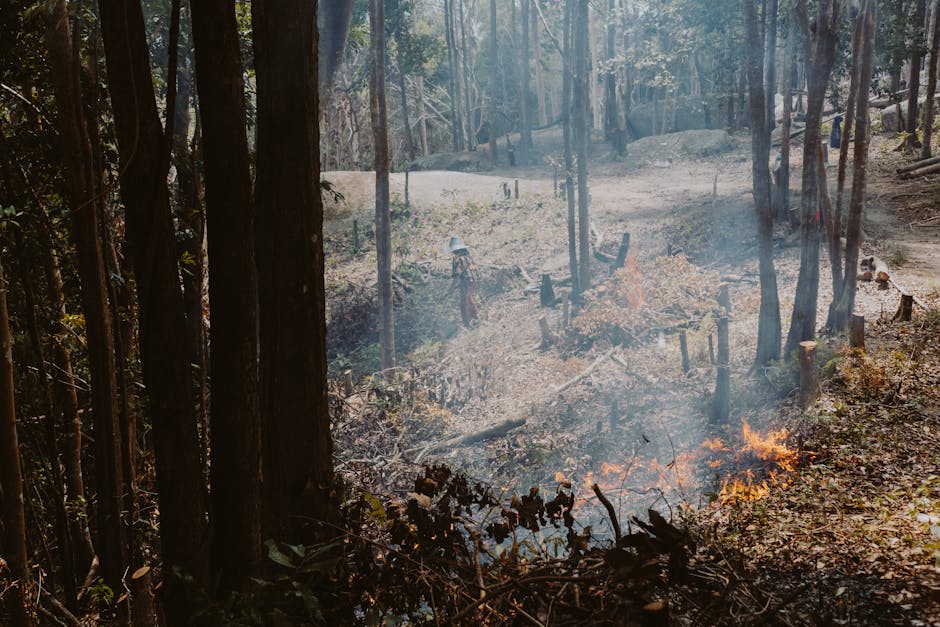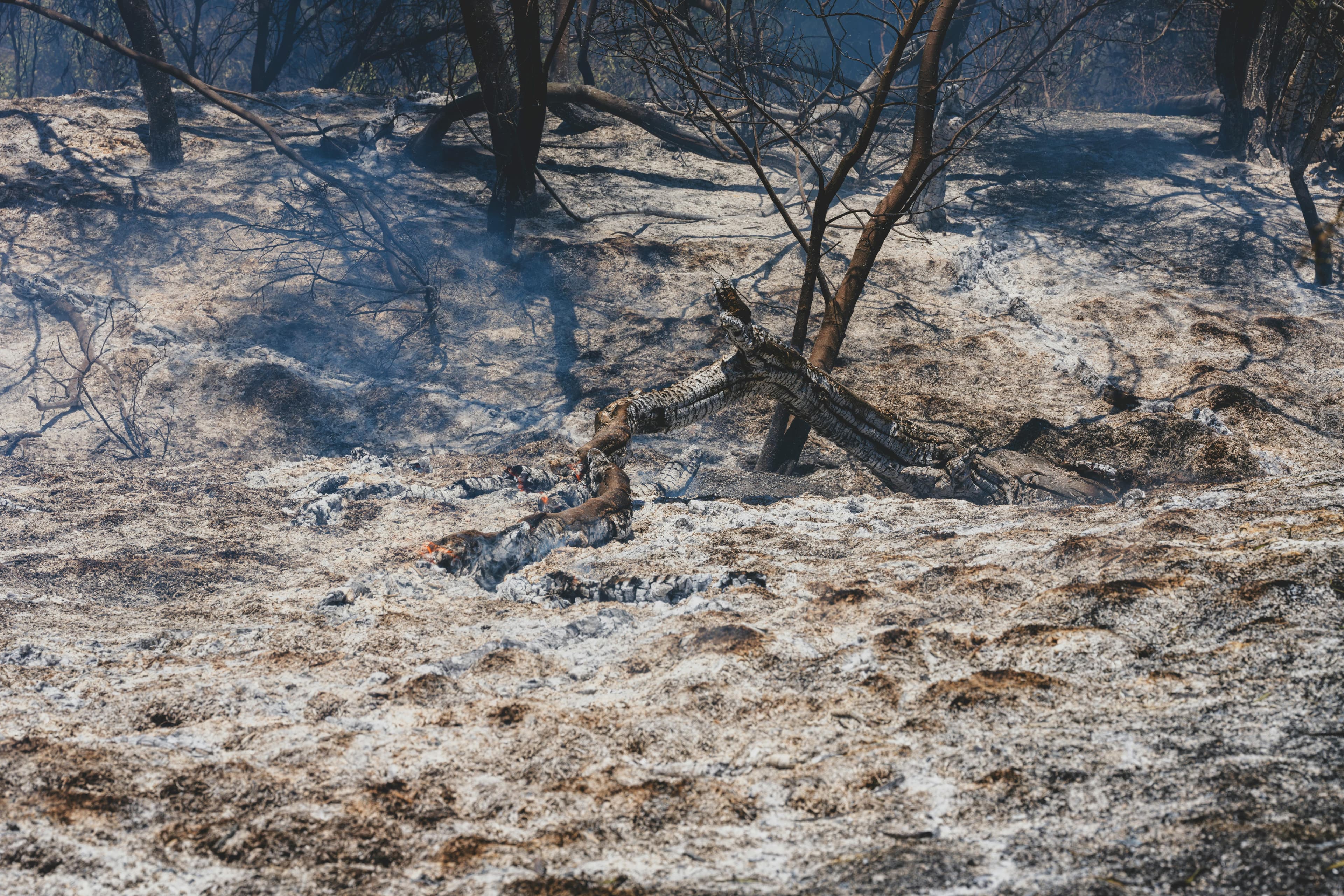
Megafires are an escalating threat to public lands, including the vast network of OHV trails within the US Forest Service (USFS) system. According to Dirt Wheels, these large-scale wildfires are not solely attributable to climate change, but also to decades of inadequate forest management practices.
Del Albright, a retired fire chief with 26 years of experience, addresses the issue in his book, “Welcome to the Mega-Fire Generation.” He notes that fires once considered massive (10,000-15,000 acres) are now dwarfed by infernos that regularly consume 100,000 to 400,000 acres. Albright attributes this trend to a combination of factors, including:
- Accumulation of unmanaged fuel loads in national forests.
- Restrictions on controlled burning and prescribed fire.
- Reduced maintenance of fire breaks and access roads.
- Widespread insect infestations due to poor forest health.
- Decline in logging and timber management practices.
According to Dirt Wheels, the consequences for OHV recreation are significant. Wildfires lead to immediate closures of affected areas and downwind zones, impacting firefighter safety and public health. Burned trees and destabilized soil create long-term hazards, extending closures and hindering trail access.
Examples of fire-related closures cited by Dirt Wheels:
- Post Fire in Hungry Valley SVRA
- Bridge Fire in the Angeles National Forest
- Eaton Fire, which devastated a town and closed USFS roads/OHV trails
- East Creek Fire in the Okanogan-Wenatchee National Forest
- Line Fire in the San Bernardino National Forest
Dirt Wheels emphasizes that these fires are not limited to the West Coast, but represent a nationwide problem. The article advocates for a return to science-based forest management practices, drawing inspiration from traditional Native American land stewardship. President Theodore Roosevelt's creation of the US Forest Service in 1905 aimed to balance recreation and resource extraction, a principle that Dirt Wheels suggests has been lost.
So, what can OHV enthusiasts do? Dirt Wheels suggests several actions:
- Support controlled burning and fuel-reduction programs.
- Join and support organizations that advocate for responsible land management.
- Donate to politicians and groups promoting common-sense public-land policies.
- Volunteer time to improve public lands.
Yamaha and Polaris offer grant programs (Yamaha Outdoor Access Initiative and Polaris TRAILS) that support trail restoration and improvements after wildfires. Dirt Wheels encourages readers to support these companies and other organizations that contribute to OHV access and environmental stewardship.