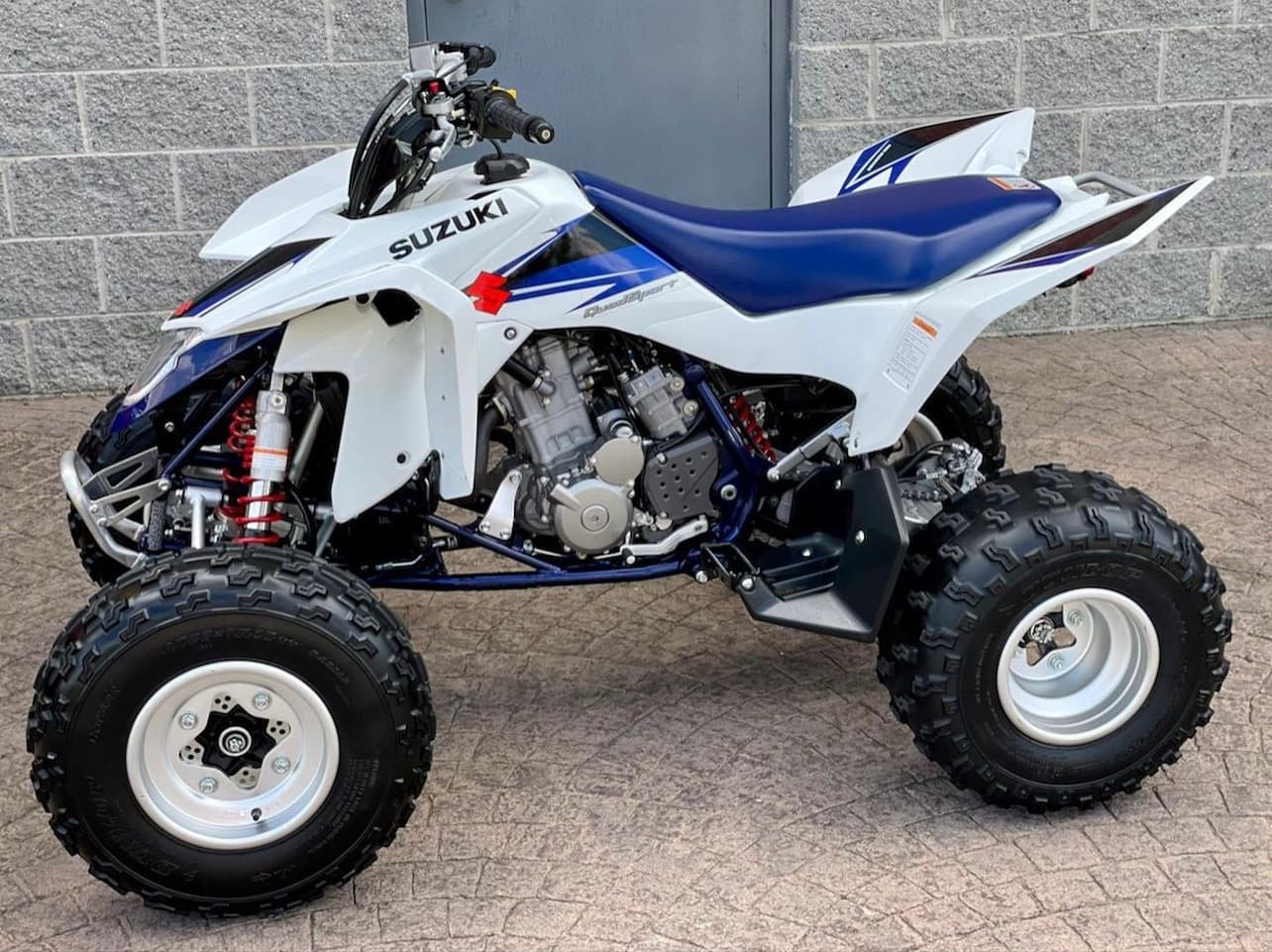
Maintaining your ATV involves routine oil changes, but a simple mistake can quickly turn into a major headache. According to an expert Q&A session published by Dirt Wheels, one reader faced a common but costly issue: a cross-threaded oil drain bolt on a Suzuki Z400. Attempting to fix the damage using a 1/8-inch pipe plug and tap—a solution found on online forums—failed to seal the hole, leading to continuous oil leaks.
The Problem with Forum 'Fixes'
The expert at Dirt Wheels explains that the standard 8mm drain bolt measures roughly 0.315 inches in diameter. By tapping the hole for a 1/8-inch pipe plug, the user increased the hole diameter to 0.405 inches. This modification essentially removes too much material for a standard 8mm Heli-coil, which typically requires a 0.328-inch hole.
Furthermore, because the hole was already tapped to 0.405 inches, it is unlikely that a 10mm Heli-coil (which requires a 0.406-inch hole) would hold effectively. The threads are simply too compromised to support a standard repair.

The Professional Repair Strategy
For those in a similar situation, the experts suggest a more aggressive repair path. If the oil tank is not replaced, the next viable step is to use a 12mm x 1.25 pitch spark plug Heli-coil kit. This process requires specific tools:
- Heli-coil kit #554312
- A 33/64-inch drill bit
When performing this repair, ensure that you use a short-thread insert. Because 12mm spark plugs are available in both short and long thread configurations, using a long insert could interfere with the internal components of the oil tank. If you are not comfortable performing this precision repair, the advice is to seek help from a qualified motorcycle or ATV technician who has experience with thread restoration.


Final Advice
The most important takeaway from the Dirt Wheels report is to exercise extreme caution when applying advice found on public forums. What works for one person's specific repair may not be suitable for yours and can lead to permanent damage. If a DIY repair fails, the safest—albeit more expensive—option remains replacing the oil tank entirely.