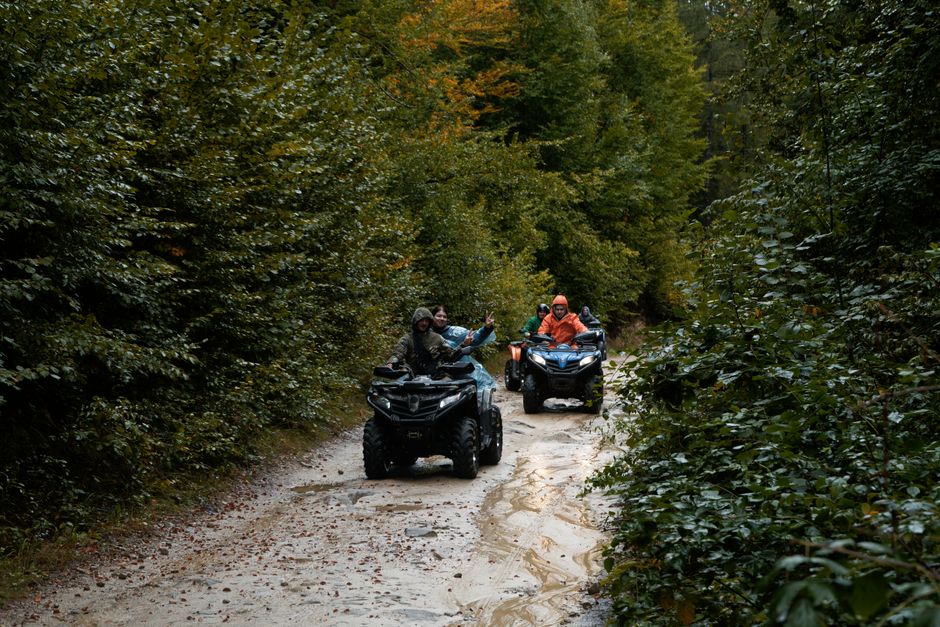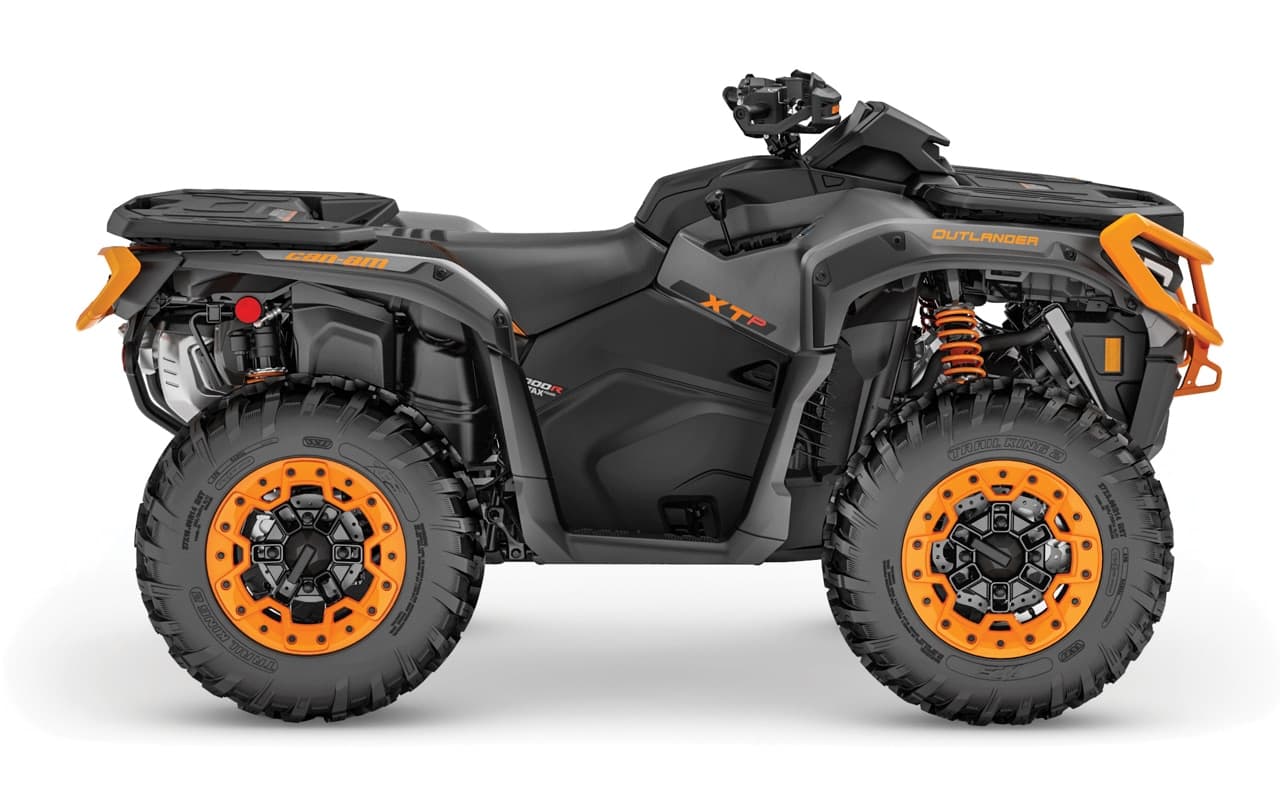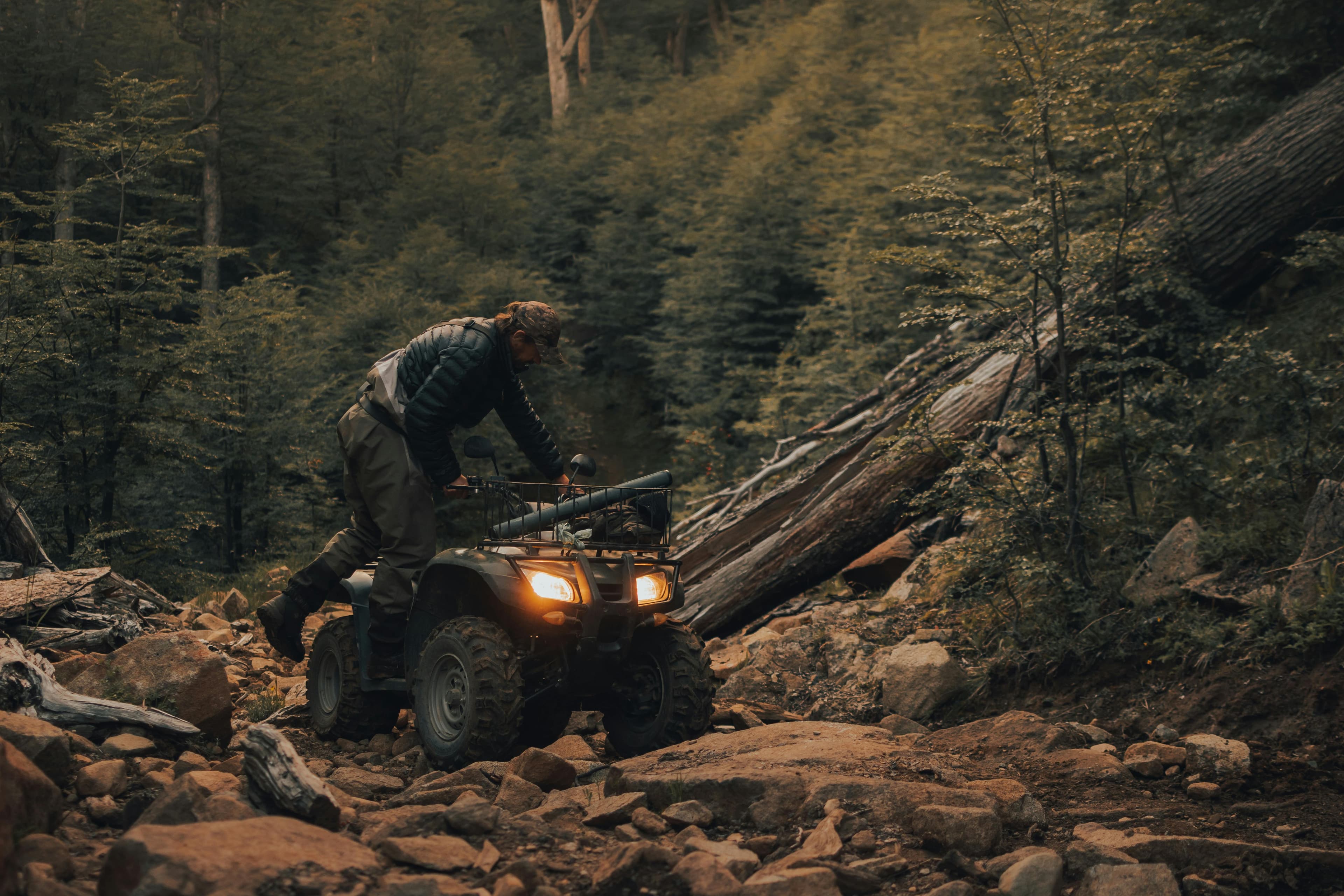
As off-road vehicle technology advances, the machines hitting the trails are becoming more capable and, consequently, heavier. In Maine, this evolution has created a regulatory bottleneck. According to a report by Ross Ballot on ATV.com, the state is currently considering legislation to increase the maximum weight limit for ATVs and UTVs on state-managed trails.
For years, the industry operated under a 1,000-pound limit, which was eventually pushed to 2,000 pounds as side-by-sides gained popularity. However, the latest generation of UTVs often exceeds these parameters. Jenny Little, President of the Topsham Trailriders Club, highlighted that many owners of modern, larger machines are currently unable to legally register their vehicles for use on Maine trails due to these weight restrictions.
The economic implications are significant. Maine’s trail network, spanning roughly 6,400 miles, serves as a major draw for tourists. Small businesses throughout the state rely heavily on the influx of riders who frequent these paths. Following a 2021 initiative that introduced an 'oversized ATV law' to better accommodate larger machines, the state is now looking to formalize these higher limits into law.
The proposed bill would raise the maximum weight threshold to 2,950 pounds. This adjustment is significant, as it would encompass even the heaviest models currently on the market, such as the Kawasaki Teryx H2, which weighs in at approximately 2,500 pounds. While this change would offer relief to many riders, it introduces a complex challenge for trail maintenance.
A critical factor in this debate is the ownership of the land. According to Little, 94% of Maine’s trail system is situated on private property. Increased vehicle weight inherently leads to greater trail wear and tear, which could jeopardize the willingness of private landowners to allow public access. While the goal is to keep the trail system robust and accessible, officials and clubs are tasked with balancing the growth of the off-road industry with the physical preservation of the terrain.
The outcome of this legislative push remains to be seen, with a decision expected in the coming months. For now, riders and trail organizers are closely monitoring the situation as it unfolds in the state legislature.