As the powersports industry navigates the transition toward sustainable energy, Kawasaki is doubling down on its commitment to internal combustion. According to recent reports from UTV Driver, the manufacturer is actively exploring hydrogen propulsion systems for its lineup of all-terrain vehicles (ATVs) and utility task vehicles (UTVs). While hydrogen has long been discussed as a "holy grail" for clean energy, it has historically remained more of a laboratory concept than a showroom reality.
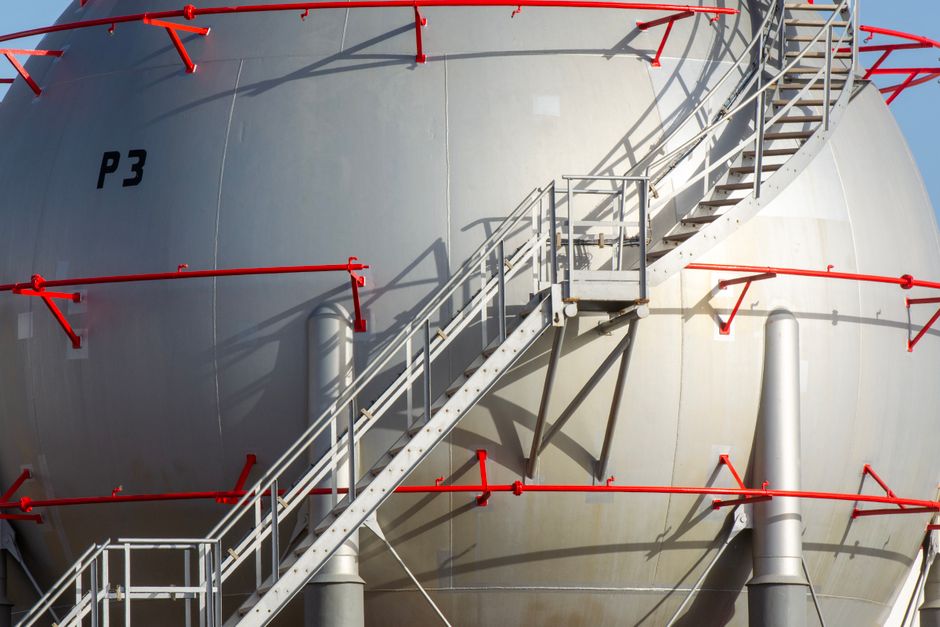
The core challenge for Kawasaki, as outlined by ATV.com, is not just generating power from hydrogen—it is the engineering hurdle of storing and transporting the fuel safely within the compact, rugged frame of an off-road vehicle. Handling the volatility of hydrogen while maintaining enough onboard volume to ensure a practical riding range remains a significant engineering obstacle.
Recent patent filings highlight that Kawasaki’s research is far-reaching. Beyond the hydrogen powertrain itself, the company has documented designs for unique chassis configurations, including three-wheeled trikes and specialized "high-stability" ATVs that utilize self-leveling technology. These filings suggest that Kawasaki is thinking holistically about how a future hydrogen-powered vehicle would need to be built to accommodate the specific fuel delivery systems required.
However, experts caution that readers should temper their expectations. Much of this activity is standard procedure in the automotive and powersports industries, where companies frequently file patents to secure intellectual property and prevent competitors from cornering emerging technological niches. While the dream of an internal combustion engine that emits only water vapor is compelling, it is unlikely that consumers will see hydrogen-powered quads hitting dealer floors in the immediate future.
Ultimately, while these patents provide a window into Kawasaki’s R&D priorities, they represent a long-term vision rather than a near-term product launch. The pursuit of hydrogen-fueled off-roaders is an uphill battle, but it confirms that legacy manufacturers are serious about exploring every possible avenue to preserve the visceral experience of internal combustion in an increasingly electrified world.