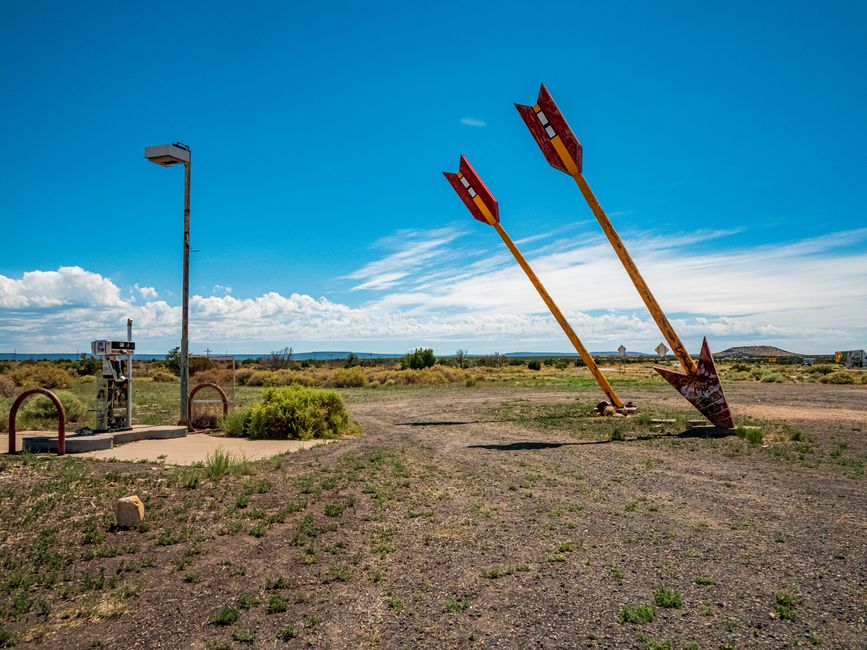
Long before digital navigation systems or advanced cockpit instrumentation became standard, the pioneers of American aviation relied on a surprisingly tactile method to traverse the country: giant concrete arrows poured directly into the earth. According to research published by UTVGuide.net, these structures were a fundamental component of the Transcontinental Air Mail Route, a network established in the early 1920s to facilitate the first reliable cross-country air delivery system.
The U.S. Post Office faced immense challenges in the early days of aviation. Pilots were often flying slow, fragile aircraft with minimal navigation tools, forcing them to fly at lower altitudes where visual ground references were critical. To solve this, the government initiated a massive infrastructure project involving concrete arrows, which typically measured between 20 and 70 feet in length. Originally painted bright yellow for maximum daytime visibility, these arrows were positioned to point pilots toward the next beacon or landing field in the chain.
These markers were part of a larger, sophisticated network of over 1,500 rotating airway beacons. Spaced roughly 10 to 15 miles apart, the beacons provided a nocturnal highway for pilots, while the concrete arrows offered daytime guidance. This system was vital for traversing difficult regions, such as the Los Angeles to Salt Lake City segment of the route, which forced aircraft through the harsh Mojave Desert and the rugged terrain of Nevada and Utah.
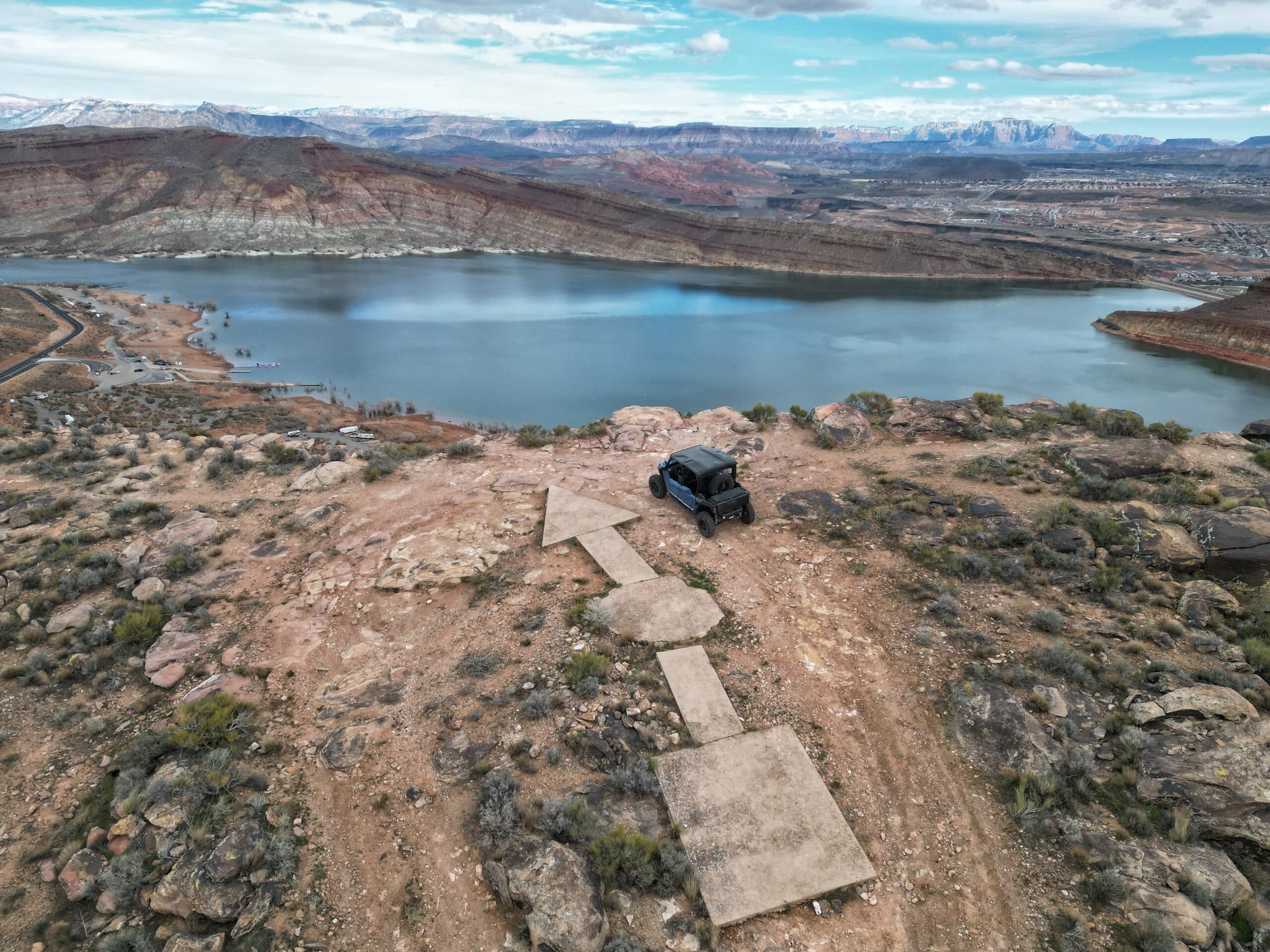
Today, many of these arrows have been reclaimed by the landscape, though hundreds remain in remote locations, particularly throughout the Southwest. As noted by Jon Crowley of UTVGuide.net, discovering these sites has become a popular endeavor for the off-road community. For instance, the site labeled '38 LA-SL Quail Creek' (Site No. 37) in Washington County, Utah, serves as a prime example of accessible history for those equipped with a high-clearance vehicle. Located near Hurricane, Utah, this site is a frequent destination for those navigating the desert in machines like the Yamaha RMAX 4.
These concrete relics are more than just historical curiosities; they are physical monuments to the ingenuity of early aviators. For off-roaders and history enthusiasts, these markers represent a time when the path forward was literally etched into the soil. While the mail no longer flies by these markers, they continue to serve as a fascinating connection between the experimental era of flight and the modern age of exploration.